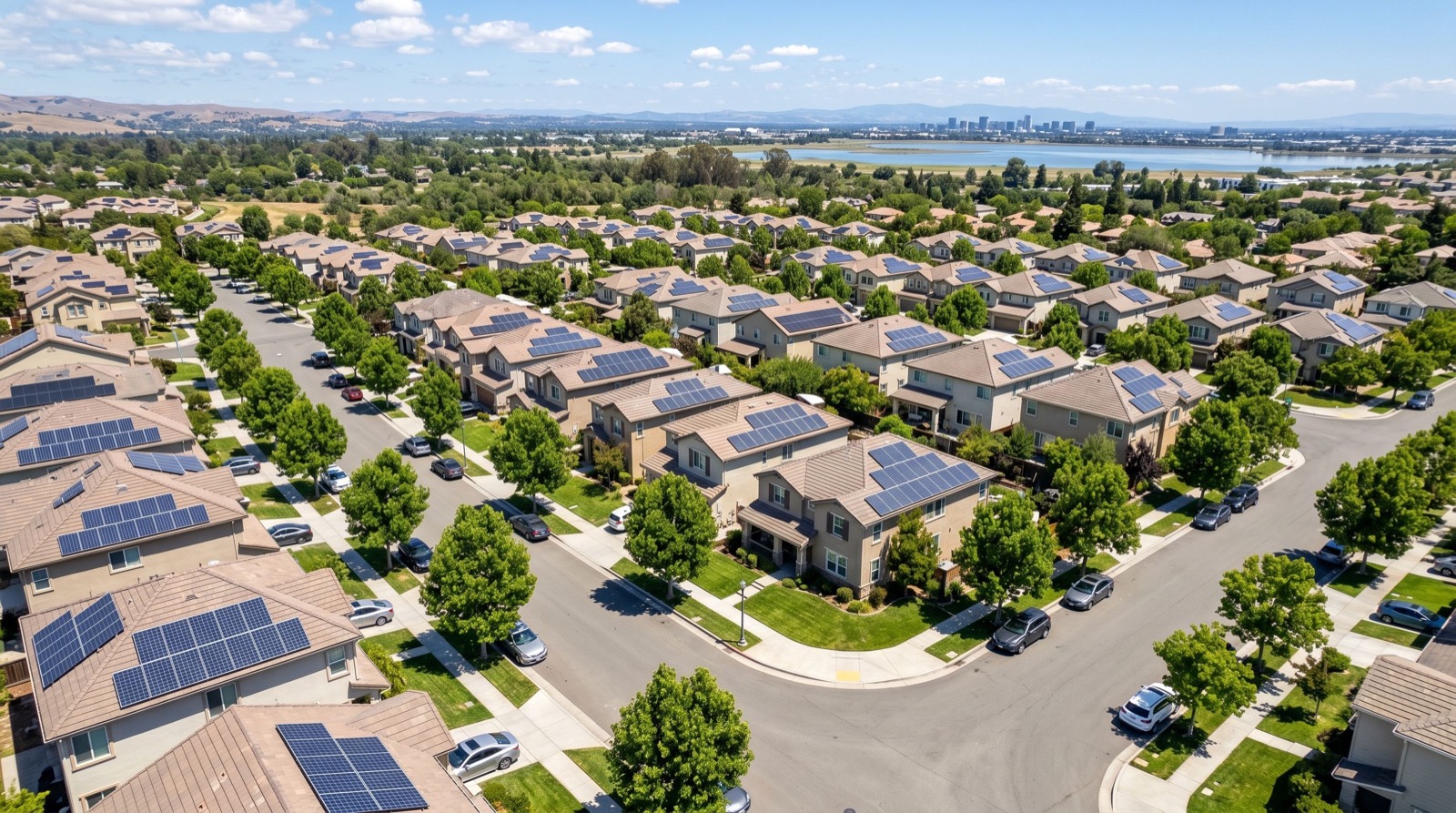
Every few years a technology arrives that quietly rewires how ordinary households manage money, and in Pakistan rooftop solar is having exactly that moment. Walk through almost any residential neighbourhood and the blue-black rectangles multiplying across rooftops tell the story better than any statistic could. What began as an early-adopter experiment has become a mainstream response to bills that refuse to stop climbing.
Still, the fact that solar has gone mainstream does not mean every installation is a good one. Behind the tidy rooftops are plenty of frustrated owners who bought the wrong size, trusted the wrong installer, or skipped the paperwork that unlocks the real savings. This guide is about avoiding those pitfalls, so your entry into solar lands you among the satisfied majority rather than the disappointed minority.
The Real Reason Bills Keep Rising
To understand why solar has caught on so fast, it helps to understand the pressure it relieves. Grid tariffs in Pakistan are shaped by fuel costs, currency movements, and capacity charges, and the general direction has been relentlessly upward. Add the fuel adjustment surcharges that appear on bills without much warning, and even a careful household finds its electricity cost creeping higher year after year.
Solar breaks that cycle by fixing a large part of your energy cost at the moment of installation. Once the system is paid off, the sunlight it converts is free regardless of what happens to grid tariffs. In a country where the direction of prices feels like a one-way street, that predictability is worth as much as the savings themselves.
Deciding How Big to Go
System sizing is where good intentions most often go astray. Buy too small and you are still leaning heavily on the grid; buy too large and you have paid for capacity you cannot fully use, since net metering rules and consumption limits cap the benefit. The sweet spot comes from your genuine usage, read off twelve months of bills rather than a hopeful estimate.
A typical home consuming around 700 to 1,000 units monthly usually lands in the 5kW to 7kW range, though roof space, shading, and daytime usage patterns all adjust that figure. Providers serving customers looking for a solar company in Karachi and other dense urban markets should tailor the recommendation to your specific roof and habits, not hand you an off-the-shelf number that happens to suit their inventory.
Grid-Tied, Off-Grid, or Hybrid
The configuration you choose shapes both cost and capability. A grid-tied system is the most economical and pairs naturally with net metering, but it shuts down during outages for safety. An off-grid system runs entirely on panels and batteries with no grid connection at all, which suits remote locations but demands heavy storage. A hybrid sits between the two, drawing on the grid, storing surplus, and keeping essential loads alive when the power cuts out.
For most urban households, the choice comes down to grid-tied versus hybrid, and the deciding factor is how much load-shedding disrupts your life. If outages are frequent and painful, the battery premium of a hybrid buys genuine peace of mind. If your area is relatively stable, a grid-tied system delivers the fastest payback with the least complexity.
Components You Should Never Compromise On
The temptation to shave costs is strongest when comparing quotes, but certain components are simply the wrong place to economise. Cutting corners on these turns a twenty-year asset into a five-year headache.
- Inverter: choose an established brand with real local service, since it works hardest and fails first among the major parts.
- Panels: insist on tier-one manufacturers whose performance warranties will still be honoured a decade from now.
- Wiring and protection: correctly rated cable, DC breakers, and surge protection are safety essentials, not upsells.
- Mounting structure: corrosion-resistant framing anchored and sealed to survive monsoon winds and rain.
The Installer Makes or Breaks the Outcome
It bears repeating because so many buyers underestimate it: the crew that installs your system matters as much as the equipment they install. Correct orientation and tilt, weatherproof roof penetrations, clean earthing, and disciplined cable routing are the invisible work that determines whether your system performs for twenty years or springs a leak in its first monsoon.
This is why the reputation of the installer deserves as much scrutiny as the spec sheet. Partnering with trusted professionals means the people on your roof are accountable and experienced, not a rotating cast of casual labour. Ask how long the firm has operated, request references, and insist on seeing completed work. A company confident in its craftsmanship will welcome the scrutiny rather than deflect it.
Getting Net Metering Right
Net metering is the feature that turns a good system into a great one, and skipping it wastes much of what you paid for. With a bidirectional meter installed, your surplus daytime generation flows to the grid and offsets the units you pull back at night, so you settle only the net difference at billing time. A well-sized system can push that net figure remarkably low.
The application process runs through your distribution company and involves documentation, a meter change, and an inspection. It is more tedious than difficult, and any competent installer manages it on your behalf. Make sure your contract explicitly includes net metering, and treat vague answers on this point as a reason to keep shopping.
Living With Your System
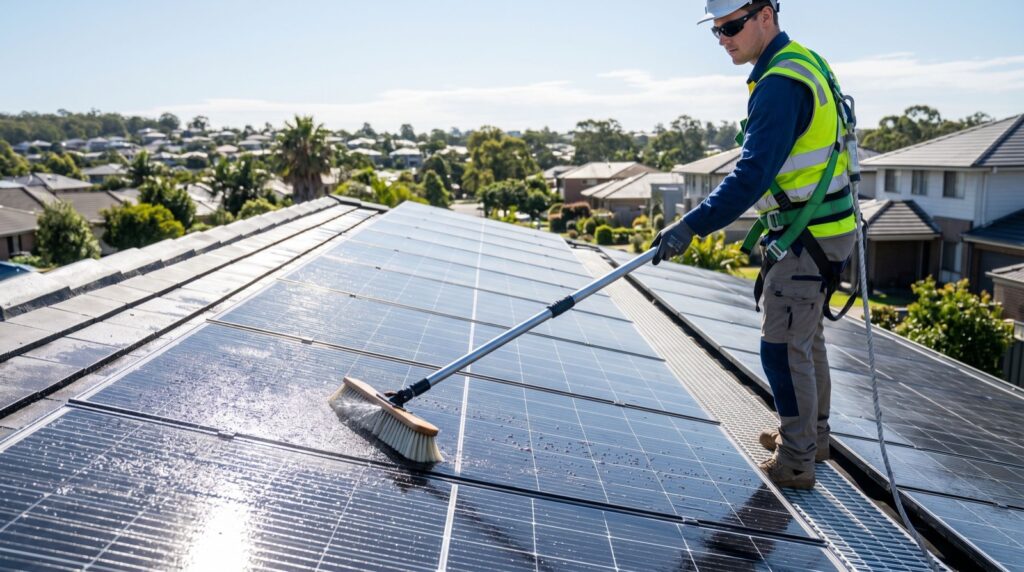
Once commissioned, a solar system asks very little of you, but the little it asks pays off. Dust is the main thief of output in our climate, so a rinse every few weeks during dry weather keeps generation near its rated level. An annual inspection of connections, bolts, and the inverter catches wear before it becomes failure, and monitoring apps make spotting problems almost automatic.
Owners who treat the daily generation figures as a health readout tend to get the most from their systems. A sudden dip that does not match the weather is a signal worth investigating, and catching it early usually means a cheap fix rather than an expensive one. That habit alone protects years of savings.
A Confident Path Forward
Solar has earned its popularity because it does something rare: it turns a rising cost into a shrinking one and hands households a measure of control over an expense that had felt uncontrollable. But the technology only delivers when the decisions around it are sound. Size to real usage, choose the right configuration, refuse to compromise on core components, vet the installer thoroughly, and lock in net metering.
Whether you are weighing a modest home system or a larger setup, and whether you find your installer through a neighbour’s recommendation or by researching a solar company in Rawalpindi, the fundamentals stay the same. Do the homework, take the extra week to compare, and your roof will spend the next two decades quietly paying you back for the care you put in at the start.