
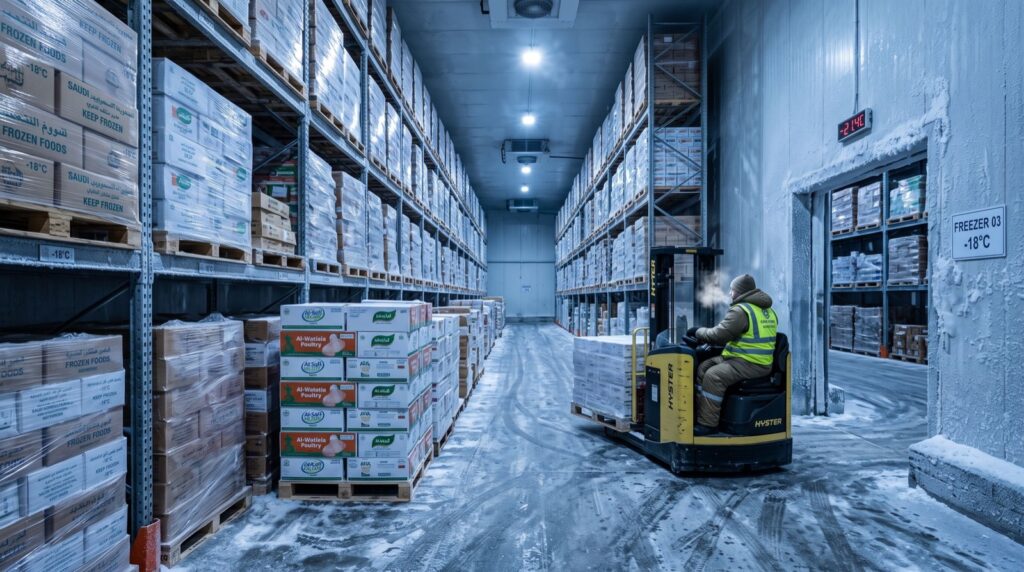
Chilled Storage in Riyadh: Choosing the Right Temperature Zone in 2026
Chilled storage in Riyadh has become essential infrastructure for pharmacies, grocers, caterers, and e-commerce brands that ship perishables. In a city where outdoor temperatures can soar above 45°C in summer, holding products at a steady 0°C to 8°C is not just about quality, it is about safety and compliance.
This 2026 guide explains how chilled storage differs from frozen and ambient options, which products belong in each zone, and how to pick a facility that keeps your goods fresh, traceable, and audit-ready.
What Is Chilled Storage and Who Needs It?
Chilled storage holds goods just above freezing, typically between 0°C and 8°C. Unlike frozen storage, it preserves texture and usability for products that must not freeze, such as fresh dairy, produce, vaccines, and certain cosmetics.
Demand for professional Chilled Storage in Riyadh is climbing as quick-commerce and pharmacy delivery expand across the capital. Businesses need reliable cold rooms without the cost of building and maintaining their own, which is why third-party facilities have become the practical choice for most operators.
Chilled vs. Frozen vs. Ambient: Know the Difference
Choosing the wrong temperature zone is a common and costly mistake. Freezing a product that should be chilled can ruin its texture, while storing a temperature-sensitive item at ambient can cause rapid spoilage.
| Zone | Temperature | Ideal Products | Never Store |
|---|---|---|---|
| Chilled | 0°C to 8°C | Dairy, produce, vaccines | Ice cream, frozen meat |
| Frozen | -18°C to -25°C | Meat, seafood, frozen meals | Fresh eggs, lettuce |
| Ambient | 15°C to 25°C | Canned goods, dry staples | Dairy, fresh meat |
Products That Depend on Chilled Storage
The chilled zone is the busiest part of many cold chains because so many everyday products live there. Key categories include:
- Fresh dairy: milk, yogurt, soft cheese that spoils fast at room temperature.
- Produce: leafy greens, berries, and herbs that wilt in heat.
- Pharmaceuticals: vaccines and biologics with strict 2°C to 8°C requirements.
- Prepared foods: deli items, sauces, and ready meals for food service.
- Beverages: fresh juices and probiotic drinks.
Not every product needs cold at all. Shelf-stable goods belong in Ambient Storage in Dammam or Riyadh, which costs less and frees up valuable chilled space for items that truly require it. Splitting inventory correctly is one of the fastest ways to cut storage bills.
How to Choose a Chilled Storage Facility
Reliability is everything with chilled goods, because the margin for error is thin. Use this checklist when comparing providers:
- Continuous monitoring: real-time sensors with alerts for any temperature drift.
- Backup power: generators that keep cold rooms running through outages.
- Zone separation: distinct chilled, frozen, and ambient areas to prevent cross-contamination.
- Compliance records: documented temperature logs for SFDA and pharmaceutical audits.
- Fast throughput: insulated docks and quick handling to minimize time out of temperature.
An Insider Tip on Loading Practices
Here is a practical detail that separates good facilities from great ones: watch how they handle goods at the loading dock. The most vulnerable moment for chilled products is the transfer between truck and cold room. Facilities with insulated, temperature-controlled docks keep the chain unbroken, while those loading in open bays let products warm up in minutes. Always ask to see the dock, not just the cold room.
Compliance for Temperature-Sensitive Goods
Chilled storage of pharmaceuticals and food is tightly regulated in Saudi Arabia. Cold chain integrity for vaccines and biologics follows international standards, and the guidance published by the World Health Organization on immunization supply chains is widely referenced for handling temperature-sensitive medical products. For food, HACCP-based procedures and continuous logging are the baseline expectation.
Outsourcing to a certified facility shifts much of this compliance burden onto specialists who maintain monitoring, documentation, and audit readiness as part of their core service.
Planning Your Move to Chilled Storage
Migrating inventory into chilled storage should be gradual and well-coordinated. Start with a pilot batch, confirm temperature stability and reporting, then move the rest in refrigerated transport during cooler hours. Working with an experienced local team to handle the physical relocation ensures the cold chain stays intact from your old site to the new facility.
The Cost of Chilled Storage and How to Optimize It
Chilled storage costs more than dry storage because refrigeration runs around the clock and monitoring must never lapse. But that does not mean your bill has to spiral. The businesses that control chilled storage costs do it through disciplined inventory management, not by cutting corners on temperature.
The single biggest lever is inventory segmentation. Every item you move out of the chilled zone into ambient storage frees up expensive cold space and lowers your energy footprint. Audit your stock honestly: many products sit in cold rooms out of habit rather than genuine need.
Reducing Shrinkage and Waste
Waste is a hidden cost multiplier in chilled storage. A pallet of dairy that expires unsold is not just lost product, it is lost cold-room capacity that generated no return. Strong FIFO rotation, accurate expiry tracking, and demand-matched ordering keep shrinkage low. In Riyadh’s climate, where any lapse spoils goods quickly, tight rotation discipline directly protects your margins.
Technology and Monitoring in Chilled Facilities
Modern chilled storage in Riyadh is built on continuous data. The best facilities give clients live visibility into their inventory and its conditions, which is essential for both peace of mind and compliance. Look for these capabilities when comparing providers:
- Live temperature dashboards: monitor every zone from your phone in real time.
- Automated alerts: instant warnings if temperatures drift, before product is affected.
- Digital compliance logs: timestamped records ready for SFDA or pharmaceutical audits.
- Stock-level reporting: visibility into quantities and expiry dates to guide reordering.
These systems transform chilled storage from a passive service into an active tool. Instead of discovering a problem when product arrives spoiled, you catch a failing compressor the moment temperatures begin to climb, giving you time to act before anything is lost.
Frequently Asked Questions
What temperature is chilled storage kept at in Riyadh?
Chilled storage is typically held between 0°C and 8°C. Pharmaceuticals often require a tighter 2°C to 8°C band, while fresh food is comfortable across the wider range.
Can I store chilled and frozen products in the same facility?
Yes, as long as the facility has separate temperature-controlled zones. Reputable providers keep chilled, frozen, and ambient areas apart so each product stays in its correct range without cross-contamination.
Is chilled storage more expensive than ambient?
Yes, because it requires continuous refrigeration and monitoring. The smart approach is to store only temperature-sensitive items in chilled zones and move shelf-stable goods to cheaper ambient storage.
How do facilities keep chilled goods safe during power cuts?
Professional facilities use backup generators, insulated construction, and real-time monitoring with alerts, allowing them to hold safe temperatures until power returns or stock is transferred.
Conclusion
Reliable chilled storage in Riyadh protects the freshness, safety, and compliance of everything from fresh dairy to vaccines. By understanding the difference between chilled, frozen, and ambient zones, splitting inventory correctly, and choosing a facility with strong monitoring and loading discipline, you keep products in perfect condition throughout 2026. Audit your inventory, tour a few facilities, and start with a pilot before committing your full stock.